
Blog
Winter Wetsuits 2026
Winter Wetsuit Testing: Three New Wetsuits This Winter
Winter brings colder waters, bigger waves, and the need for reliable gear that keeps you warm, flexible, and in the lineup longer. This season, we put three standout 4/3mm wetsuits through real-world testing in 11-12°C water. Whether you’re chasing performance, eco-friendly warmth, or all-day comfort, these options deliver. We tested in consistent 11-12°C conditions, sessions focused on movement, warmth retention, and dryness. Here’s my honest take on the O’Neill 4/3 Hyperfreak Stitchless, Billabong 4/3mm Furnace Natural, and Patagonia R3 Regulator. Surfing in 11-12°C (around 54°F), a quality 4/3 wetsuit makes all the difference. It balances flexibility for paddling and surfing with enough insulation to maintain core temperature during longer sessions. We evaluated each suit on warmth, stretch, water tightness, weight, comfort, and overall performance. All three performed well, but each shines in different areas.
Wetsuit #1: O’Neill 4/3 Hyperfreak Stitchless
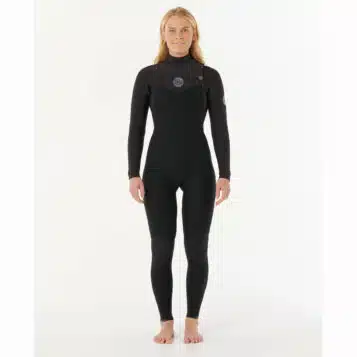
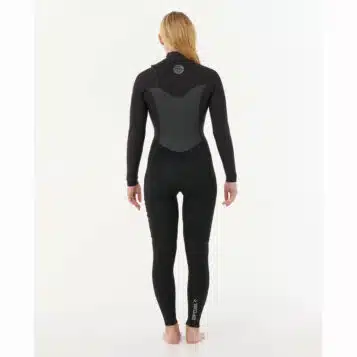
Features and Specifications The O’Neill Hyperfreak series is renowned for its TechnoButter neoprene (often TechnoButter 3 or TB3X), which is lightweight, pre-stretched, and incredibly flexible. Key features include chest-zip entry, fully taped seams (liquid outer, tbx inner taping), seamless paddle zones in the shoulders, and a key pocket. It’s built with eco-conscious elements like limestone, neoprene, and recycled materials.
In 12°C water, the Hyperfreak kept me comfortable for solid sessions. It offers excellent warmth for its lightweight feel without feeling bulky. Lightweight and Stretchy Design This is where the Hyperfreak excels. It’s famously one of the most flexible and lightweight suits available—almost like a second skin. Paddling feels unrestricted, and the stretch makes it easy to move through turns and duck dives. The comfort is “insanely” high, with soft lining that reduces rash even after extended wear.
Water Tightness, Seams are well-taped, and the chest-zip design with anti-flush barriers performs strongly. Testers stayed mostly dry, with minimal flushing even after repeated entries. It’s a watertight performer that lives up to O’Neill’s reputation.
Shop the O’Neill 4/3 Hyperfreak – Perfect for surfers who prioritize freedom of movement.
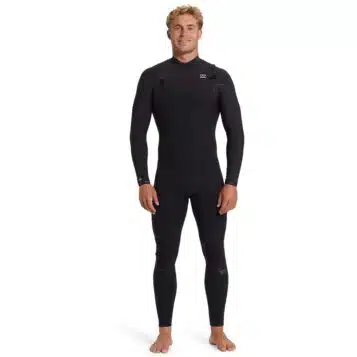
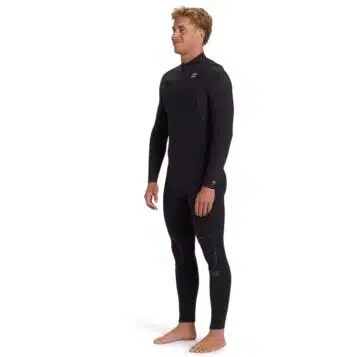
Wetsuit #2: Billabong 4/3mm Furnace Natural
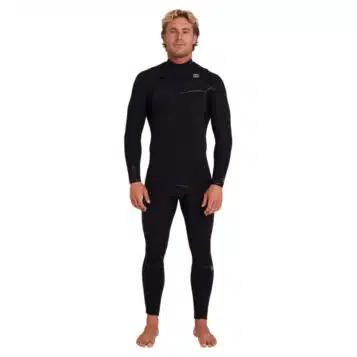
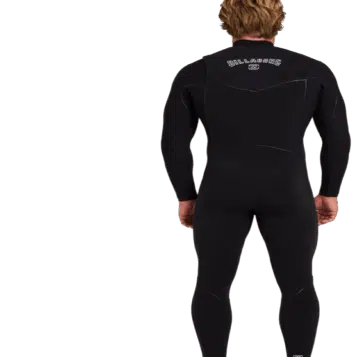
Features and Specifications The Furnace Natural stands out with its natural Hevea rubber (Yulex-style, eco-friendly), graphene-infused lining for heat retention, recycled materials (including carbon black), and Airlite stretch fabric. It features chest-zip entry, power-welded seams, and a graphene recycler plus lining that boosts warmth while staying lightweight and flexible.
Comparison of Warmth to O’Neill The Billabong Furnace Natural edges out the Hyperfreak in raw warmth, thanks to the graphene technology and strategic lining. In 11°C water, it felt toasty, allowing longer sessions without the chill creeping in.
Dryness and Comfort, Entry and exit are frictionless, and the suit dries quickly. Comfort is excellent, with great stretch and a non-restrictive fit. It balances eco-performance beautifully—warm, dry, and comfortable without sacrificing flexibility. Shop the Billabong 4/3mm Furnace Natural – Ideal for those wanting maximum warmth with sustainable credentials.
Wetsuit #3: Patagonia R3 Regulator
Features and Specifications, Patagonia’s R3 Regulator is a 4.5/3.5mm Yulex® natural rubber wetsuit (85% natural rubber from FSC-certified sources). It features solution-dyed recycled nylon thermal lining in the torso and thighs, chest or back-zip options, and a focus on stretch, fast drying, and durability. It’s built for 9–13°C waters.
Warmth and Thickness. The R3 delivers excellent warmth for 11-12°C conditions—often described as running hot thanks to the thermal lining and rubber construction. It’s plush and insulating without excess bulk. I feel this will be what I’m in once water tempts hit 9°C with a solid negative wind chill factor.
Weight on the Body Despite the thickness, it’s relatively light and balanced on the body. The stretchy design and recycled linings enhance mobility, though it may feel slightly less “featherlight” than the Hyperfreak. Durability Considerations Patagonia wetsuits are known for strong construction. Seams are triple-glued and taped, with good long-term performance reported, though proper care is key for any rubber suit.
Shop the Patagonia R3 Regulator – Best for eco-conscious surfers who value warmth and brand ethics. Unknowns for Each Wetsuit
- O’Neill Hyperfreak: Long-term seam durability can vary with heavy use; some reports of tape lifting after a season or more.
- Billabong Furnace Natural: Natural rubber suits can have slight variations in stretch over time.
- Patagonia R3 Regulator: Zipper engagement can require practice initially; premium pricing reflects the materials and warranty.
Fit is personal—always check sizing guides and try on if possible.
Conclusion: All three wetsuits impressed in 12°C water, proving they’re excellent choices for cold water winter surfing. The O’Neill Hyperfreak wins for pure stretch and lightweight feel, the Billabong Furnace Natural for warmth and sustainability, and the Patagonia R3 for reliable insulation and environmental focus. Your pick depends on priorities: performance, eco-warmth, or balanced durability. Final Thoughts on these suits reminded me how far wetsuit technology has come—better stretch, more warmth, and greener materials. Invest in a quality suit, take care of it (rinse in fresh water, dry in shade, repair promptly), and you’ll enjoy many seasons in cold water. Stay warm, surf safe, and make the most of this winter! Which suit are you leaning toward? Drop a comment below or browse our full wetsuit collection for more options, sizes, and accessories. Happy surfing!
Mens 4/3mm Wetsuits
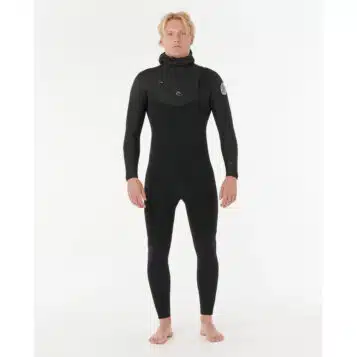
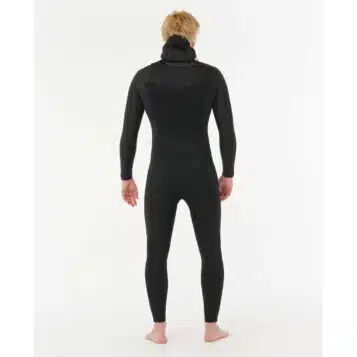
Mens 5/4mm hooded Wetsuits
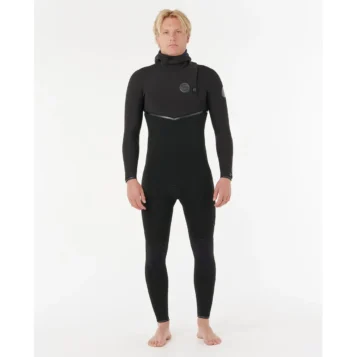
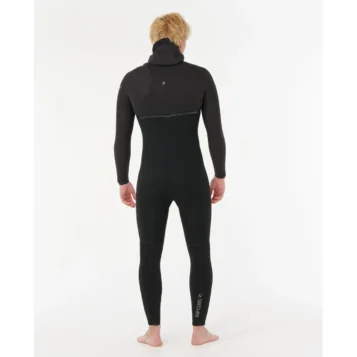
Mens 4/3mm Wetsuits
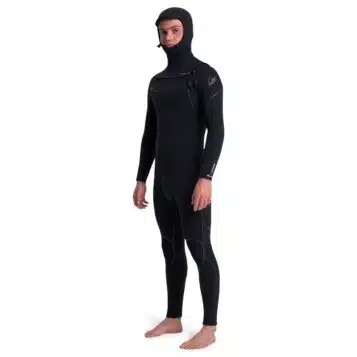
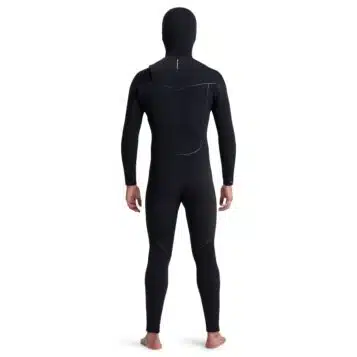
Mens 5/4mm hooded Wetsuits
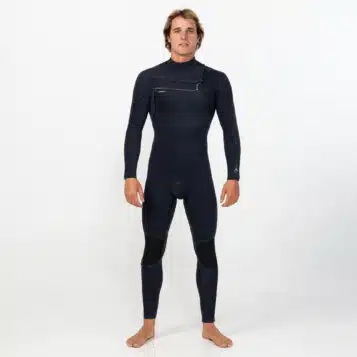
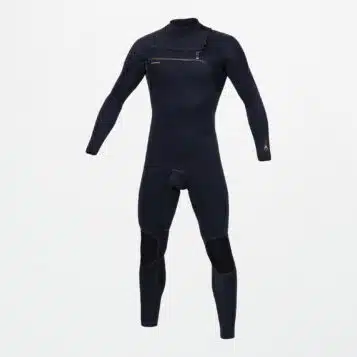
Mens 4/3mm Wetsuits
Mens 4/3mm Wetsuits
Mens 4/3mm Wetsuits